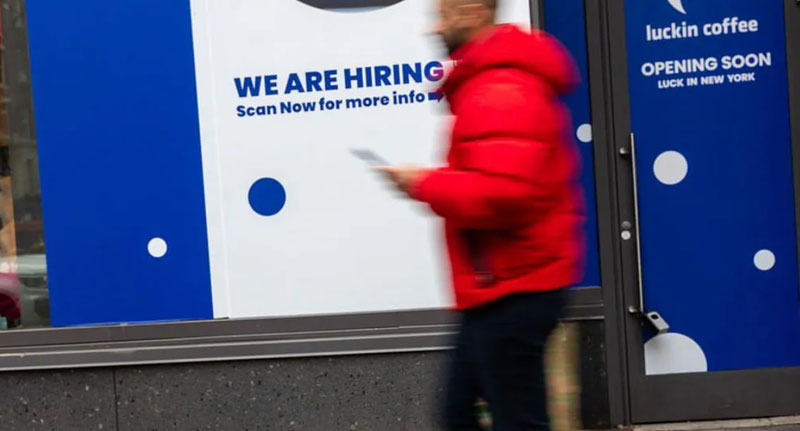
According to the U.S. Department of Labor, employers created 178,000 new jobs. This is a significantly higher indicator than expected, and the unemployment rate has fallen to 4.3 percent.
Analysts say this growth can be explained by the conclusion of strikes in the healthcare sector, which caused significant losses in February. At the same time, these figures may increase confidence in the stability of the labor market, which has noticeably slowed over the past year.
This situation is also expected to strengthen the grounds for the Federal Reserve System to delay lowering interest rates. The bank is observing how rising oil prices will affect the economy.
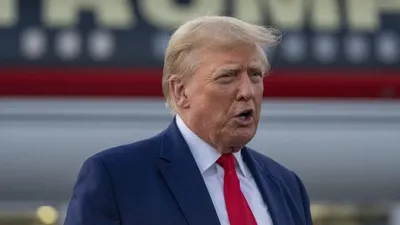
U.S. President Donald Trump has called on the Central Bank to sharply reduce borrowing costs. In his opinion, this stimulates the economy.
However, the Federal Reserve System has expressed concern about inflation in recent months. Inflation remains above the 2 percent target. Fed Chairman Jerome Powell assessed the economy as being in a delicate balance, emphasizing that new job creation is slow and layoffs are limited.
Political changes from the White House, such as increasing pressure on immigration and implementing tariffs, have also affected market dynamics.
The war in Iran could further intensify these processes. However, it is still too early to assess its full impact. It is noted that the Department of Labor typically conducts surveys between employers and households in the middle of the month, which were carried out several weeks after the start of the war.