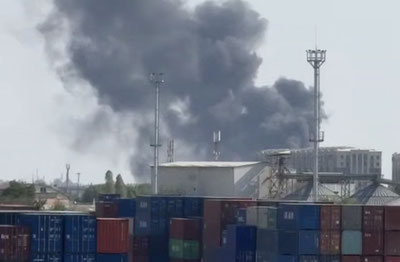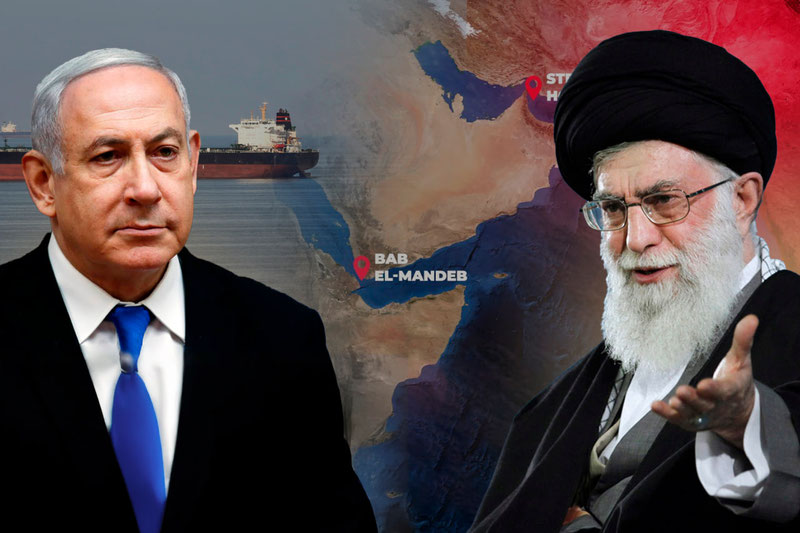
On the morning of the seventh day of the escalation, tensions between Iran, the U.S., and Israel remain at a very high level. Rocket strikes and military operations continued overnight and into the morning.
The U.S. is continuing large-scale strikes on Iranian military targets. U.S. Central Command General Brad Cooper stated that in the last 72 hours, American bombers have struck dozens of targets. According to him, strategic B-2 aircraft have also attacked deeply buried ballistic missile facilities.
The Israeli army press service announced a new wave of strikes on Beirut. Israeli military forces attacked Hezbollah infrastructure located in the Dahiya district of the city.
An Iranian drone struck the international airport in Nakhchivan, Azerbaijan. Azerbaijani President Ilham Aliyev called this incident an act of terrorism. Following this, Baku temporarily halted cross-border truck traffic with Iran and banned the entry of Iranian citizens into the country.
According to some sources, in the last five days Iran has attacked 12 countries: Azerbaijan, Israel, the U.S., Bahrain, Iraq, Jordan, Kuwait, Oman, Qatar, Saudi Arabia, the UAE, and Cyprus.
Iranian Foreign Minister Abbas Araghchi said Tehran has not requested a ceasefire and is not planning negotiations with the U.S. He also warned that a possible U.S. ground invasion would lead to "disastrous consequences." Araghchi emphasized that Russia and China are supporting Iran politically and in other forms.
The country's IRGC leader said Iran is not currently planning to close the Strait of Hormuz.