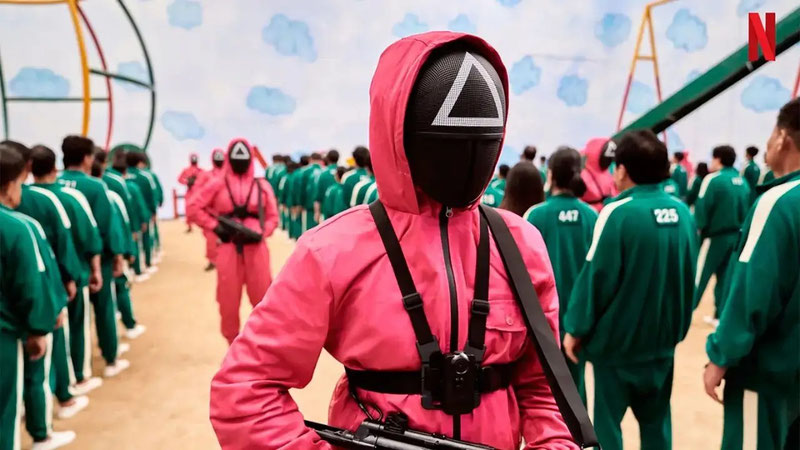
According to Amnesty International, based on witness information, such cases have included schoolchildren being sent to labor camps, public humiliation, and even incidents escalating to murder.
The information suggests that watching popular dramas like "Descendants of the Sun" and "Squid Game" or listening to K-pop songs could be assessed as a "crime." The most serious point emphasized is that punishment often depends on money and connections: those with means can get off lightly with a bribe, while those with limited means face harsher consequences.
Amnesty International representative Sarah Brooks called this situation "repression tainted by corruption," stating that restricted access to information and the practice of punishment primarily devastate the lives of the poor.
According to witnesses, the situation has been exacerbated in recent years as new content produced in South Korea is entering North Korea faster than before. Some defectors have reported severe information about high school students in Yanggang Province who watched "Squid Game."
Amnesty noted that in 2025, it interviewed 25 individuals who had escaped from North Korea, with the majority of participants having left the country in 2019–2020. It is stated that escape cases sharply decreased after borders were closed due to COVID-19.