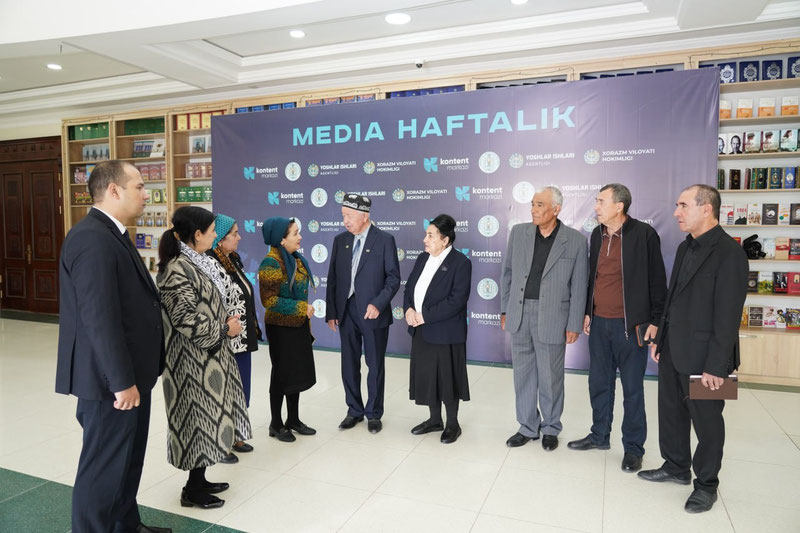
The very first day showed this — what has changed here is not the format, but the approach to media.
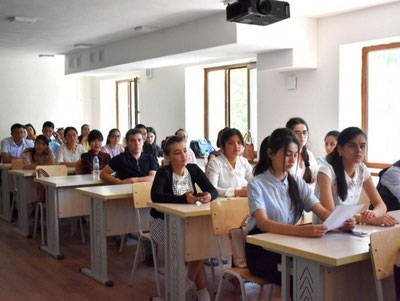
First and foremost, the aspect that draws attention is the composition of the audience. Here, not only journalists are gathered, but all links in the content creation chain: editor, correspondent, videographer, and editor. This, in turn, allows for organizing the learning process not one-sidedly, but in a comprehensive manner.
Judging by the first day's program, the main emphasis was placed not on the question of "what to do," but on the task of "how to do it better." For example, from analyzing content issues in print and online journalism to preparing analytical reports, the process is viewed as a single system.
In the television direction, a separate trend was felt: the camera operator and editor are viewed not merely as technical executors, but as part of the content author. This is a serious qualitative change for regional media.
The topics discussed in the second half of the day covered the most pressing points of the media sphere: information security, digital hygiene, accuracy and responsibility in covering political processes, as well as approaches to covering the topic of corruption.
Most importantly — ready-made answers are not provided here. Questions are posed to the participants, the situation is presented, and they are encouraged to find the solution themselves.